Arts
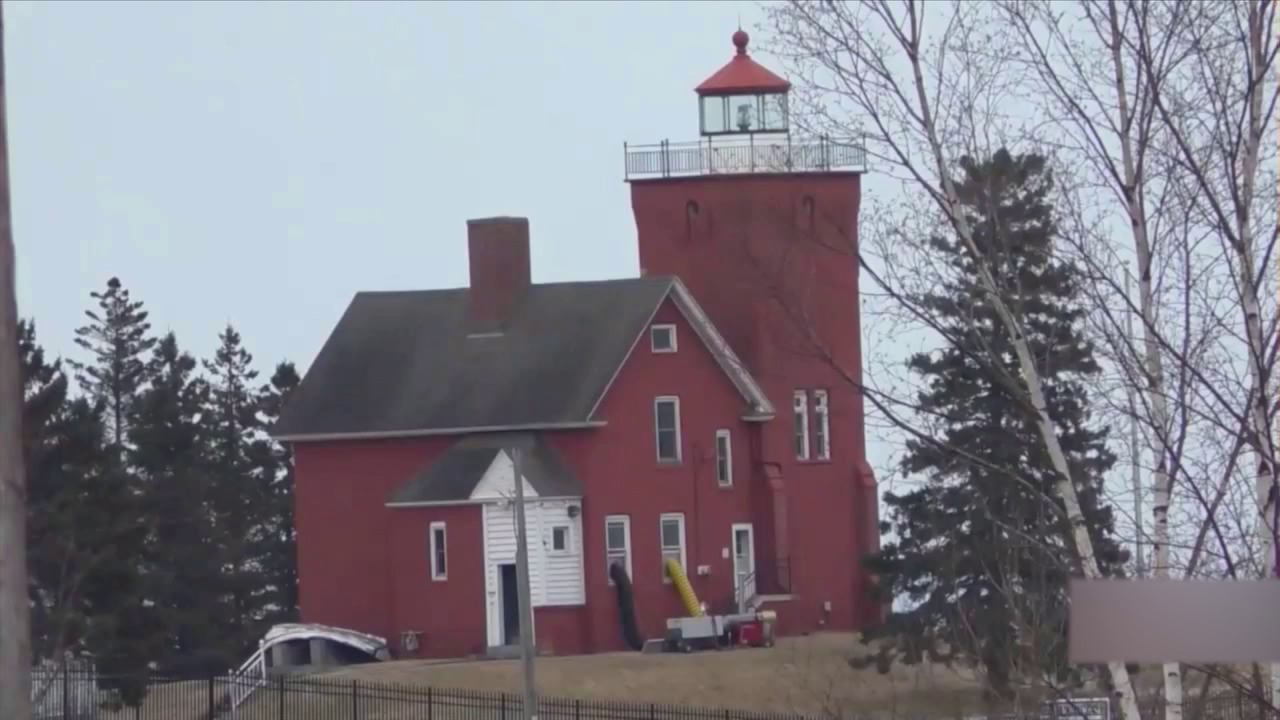
Fire damages gift shop at Two Harbors Lighthouse Museum
By Marcus Chen
Advertisement · Why this ad?
Katherine oversees editorial operations across all six brands. Before joining The Meridan Group, she spent 14 years at the Minneapolis Star Tribune, where she led the metro desk through its digital transformation. She holds a Master's in Journalism from Northwestern's Medill School.
More from Katherine →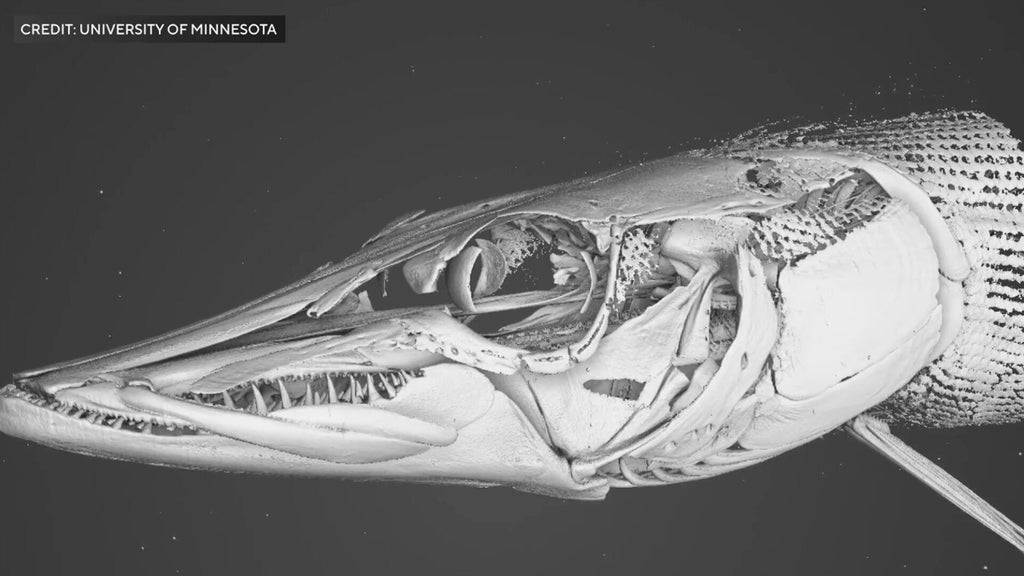
On a crisp autumn morning, Dr. Kassandra Ford stands in front of a colossal Nikon CT scanner, her eyes gleaming with excitement as she prepares to unveil a groundbreaking advancement in the fight against invasive species in Minnesota waterways. This state-of-the-art technology, housed at the University of Minnesota's Bell Museum, promises to revolutionize the way researchers study aquatic invaders like carp, which threaten the delicate balance of local ecosystems.
The introduction of the CT scanner marks a significant milestone for researchers at the University of Minnesota. Dr. Ford, a key figure in this initiative, explains how the scanner operates. "It essentially takes a whole bunch of X-rays in a vertical view as the specimen rotates around," she noted. This innovative approach allows researchers to create detailed three-dimensional images of specimens without the need for dissection, preserving the integrity of the specimens for further study.
The implications of this technology extend beyond mere curiosity about the evolutionary history of species. Dr. Ford emphasizes the potential applications of the scanner in understanding invasive species, particularly carp. "We're looking to see if there are certain acoustic sounds or noise frequencies that these fishes might be able to hear that native fishes cannot," she explained. By identifying these frequencies, researchers hope to develop sound deterrents that could keep invasive carp out of Minnesota's waterways.
Ford's enthusiasm is palpable as she shares her experiences with the CT scanner. "The results are incredible. I've been able to look at animals that have been around for hundreds of millions of years to learn about their evolutionary history," she said. The ability to visualize complex structures in 3D opens new avenues for research, allowing scientists to delve deeper into the biology and behavior of invasive species.
The response from the local community and environmental groups has been overwhelmingly positive. Many residents understand the importance of protecting Minnesota's waterways from invasive species, which pose a significant threat to native ecosystems. The Minnesota Department of Natural Resources has long been engaged in efforts to combat invasive species, and the addition of advanced research tools like the CT scanner is seen as a crucial step forward.
Community members have expressed their eagerness to learn more about the ongoing research at the Bell Museum. Educational programs are being developed to inform the public about the dangers of invasive species and the innovative methods being employed to combat them. Local schools and environmental organizations are collaborating with the university to raise awareness and foster a sense of stewardship among residents.
Dr. Ford shared an example of how the research could impact local communities. "If we can successfully develop sound deterrents that keep carp away from certain areas, it could benefit local fisheries and recreational activities," she said. This potential for practical applications resonates with residents who cherish Minnesota's natural resources.
The Bell Museum serves as a hub for scientific research and education, and the addition of the CT scanner enhances its role in the community. By engaging with local residents and stakeholders, researchers aim to foster a collaborative approach to environmental conservation, ensuring that the fight against invasive species is a shared responsibility.
Looking ahead, the University of Minnesota's research team is poised to expand its capabilities significantly. With the potential to scan up to 3 million specimens at the Bell Museum, including insects, birds, reptiles, and mammals, researchers are excited about the wealth of information that can be gleaned from these specimens.
Dr. Ford emphasized the importance of collaboration in this endeavor. "It's something that's really going to help me do my research and really help students do their research as well as we move forward," she stated. The scanner not only benefits established researchers but also provides invaluable learning opportunities for students who aspire to contribute to environmental science.
The research conducted at the Bell Museum has broader implications for conservation efforts beyond Minnesota. As invasive species continue to threaten ecosystems worldwide, the methodologies developed through this research could be adapted for use in other regions facing similar challenges. The ability to visualize and analyze specimens in unprecedented detail may lead to new strategies for managing invasive populations and preserving biodiversity.
As the university continues to explore the capabilities of the CT scanner, researchers are optimistic about the potential discoveries that lie ahead. The fight against invasive species is complex and multifaceted, but with advanced tools and a dedicated community, there is hope for a more sustainable future for Minnesota's waterways.
The threat posed by invasive carp is not just a scientific concern; it is a pressing issue for local communities who rely on healthy waterways for fishing, recreation, and tourism. Minnesota's lakes and rivers are integral to the state's identity and economy, attracting millions of visitors each year. The presence of invasive species can disrupt local fisheries, impacting both commercial and recreational fishing industries.
Local fishing enthusiasts, such as the Minnesota Fishing Club, have voiced their concerns regarding the potential impact of invasive carp on the state's aquatic ecosystems. Members often participate in clean-up events and educational workshops organized by local conservation groups, highlighting the community's commitment to preserving their natural resources. The CT scanner's ability to provide insights into the biology of these invasive species could empower local anglers and conservationists with the knowledge needed to protect their beloved waterways.
Several local organizations have already begun to mobilize in support of the research being conducted at the Bell Museum. The Minnesota Waters organization, which focuses on protecting lakes and rivers, has started to promote awareness campaigns that align with the university's research efforts. Their initiatives include community forums where residents can learn about invasive species and what actions they can take to help mitigate their spread.
Additionally, schools in the area are incorporating environmental science into their curricula, encouraging students to engage with local ecological issues. Field trips to the Bell Museum, where students can witness the CT scanner in action, are being organized to inspire the next generation of scientists and conservationists.
In conclusion, the introduction of the CT scanner at the University of Minnesota's Bell Museum represents a significant leap forward in the battle against invasive species. Through innovative research and community engagement, local scientists are not only uncovering the mysteries of our natural world but also empowering residents to take an active role in protecting their environment. As we look to the future, it is clear that collaboration, education, and cutting-edge technology will be essential in safeguarding Minnesota's precious waterways for generations to come.
By Marcus Chen

By Katherine Langford
By Katherine Langford

By Katherine Langford