
Community
Israel's unprecedented voter turnout in historic election could reshape Middle East policy and relations with U.S.
By Katherine Langford
Advertisement · Why this ad?
Katherine oversees editorial operations across all six brands. Before joining The Meridan Group, she spent 14 years at the Minneapolis Star Tribune, where she led the metro desk through its digital transformation. She holds a Master's in Journalism from Northwestern's Medill School.
More from Katherine →
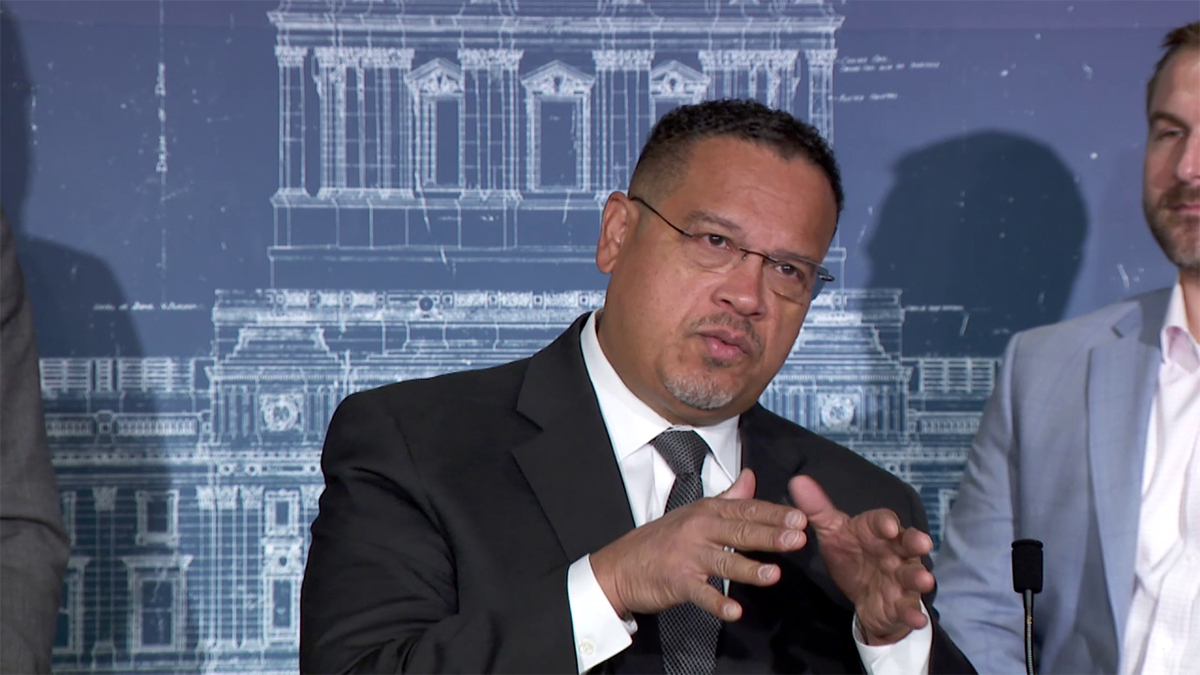
In a pivotal moment for Minneapolis, city leaders gathered at City Hall to deliberate the future of the Office of Community Safety. The debate, marked by passionate arguments and heartfelt concerns, culminated in a decisive 9-3 vote that could reshape community safety efforts for years to come. This significant consideration follows a sharp debate among city officials, reflecting a broader re-evaluation of how public safety is best managed in our vibrant metropolitan area.
Minneapolis leaders are currently deliberating the potential dissolution of the Office of Community Safety, a discussion that has drawn considerable attention and passionate input from residents and stakeholders alike. This deliberation emerges from ongoing discussions among Minneapolis leadership regarding the optimal structure for civic safety initiatives, reflecting a period of active re-evaluation within the city's governance. The implications of this decision extend far beyond the walls of City Hall, touching the daily lives and sense of security for families across the city.
The proposal to eliminate the Office of Community Safety signals a significant restructuring of Minneapolis's public safety apparatus. Should the office be dissolved, it would directly influence how community well-being and security are managed for its citizens, marking a profound shift in approach. This move comes at a time when communities are seeking both effective law enforcement and compassionate, community-led solutions to complex social challenges.
The Office of Community Safety was established with the aim of integrating various public safety functions under one umbrella, fostering a holistic approach that included traditional policing alongside violence prevention and community engagement programs. Its potential dissolution now prompts critical questions about the future of these integrated services and how they will be delivered to Minneapolis residents. City leaders, representing diverse perspectives, voiced their concerns and hopes for community safety during the extensive debate.
The discussion at Minneapolis City Hall was not merely procedural; it was a deeply felt exchange about the core values of public service and community protection. Residents shared personal stories about their experiences with safety and policing in their neighborhoods, painting a vivid picture of the real-world impact of these policy decisions. These narratives underscored the profound connection between city governance and the everyday peace of mind for families and individuals.
The 9-3 vote, while decisive, reflects the tension between differing visions for community safety that have long been present within the city. Some argue for a return to more traditional law enforcement structures, emphasizing the role of the Minneapolis Police Department as the primary guarantor of public order. They believe that a streamlined approach, focusing resources on core policing functions, will lead to greater effectiveness and accountability.
Others advocate for an expanded role for community-based interventions, mental health services, and violence prevention programs, seeing these as essential components of true public safety. They contend that addressing the root causes of crime through social support and community engagement is a more sustainable path to long-term security. This perspective often highlights the importance of neighborhood-level initiatives and partnerships with local organizations.
The debate also touched upon the financial implications of such a restructuring. Questions were raised about how resources would be reallocated, whether existing programs would continue, and what new initiatives might emerge. Ensuring fiscal responsibility while maintaining vital services is a paramount concern for taxpayers and city officials alike, particularly in a climate where every dollar must be spent wisely to benefit the community.
For many families, the stability of their neighborhood is directly linked to the effectiveness of public safety measures. Strong communities, often built on the foundation of intact families and active civic participation, thrive when residents feel secure and supported. The proposed changes prompt reflection on how city policies can best foster these foundational elements, ensuring that every child can grow up in a safe and nurturing environment.
The potential dissolution of the Office of Community Safety raises significant questions about how Minneapolis will address public safety moving forward. For local residents, this decision could directly impact their sense of security and trust in city governance. It underscores the importance of transparent communication and robust community engagement as these changes unfold.
As the city moves forward, there will be a critical need for clear communication regarding the transition plan. Residents will want to know which services will be affected, who will be responsible for overseeing various safety initiatives, and how they can continue to participate in shaping their community's future. Organizations like the Minnesota Council of Nonprofits often play a crucial role in bridging gaps during such transitions, providing essential support and advocacy.
The broader metropolitan area, including our own community in Edina, maintains a vested interest in the efficacy and structure of public safety initiatives in neighboring cities. What happens in Minneapolis often has ripple effects, influencing regional strategies and collaborative efforts. Understanding the models being explored in Minneapolis can inform our own local discussions on community well-being, as highlighted by resources from the Hennepin County government.
Looking ahead, the city council will likely engage in further discussions and planning sessions to determine the precise mechanisms for dissolving the office and reassigning its functions. This process will require careful consideration of legal frameworks, budgetary adjustments, and the practical implications for staff and community partners. The Minnesota State Legislature may also offer guidance or resources for municipalities navigating such complex organizational changes.
The ultimate goal, regardless of structural changes, remains the same: to ensure a safe, secure, and thriving environment for all Minneapolis residents. This includes supporting initiatives that strengthen families, promote positive youth development, and build resilient neighborhoods. Faith-based organizations and local community groups often stand as pillars in these efforts, providing invaluable support and fostering a sense of belonging that is crucial for public safety.
The palpable mix of hope and uncertainty hung in the air as the vote was cast, leaving many to ponder what the future of community safety will look like in Minneapolis. It is a future that will undoubtedly require continued dialogue, adaptability, and a shared commitment to the well-being of every citizen. Resources from institutions like the University of Minnesota's Center for Urban and Regional Affairs often provide valuable research and analysis to guide such complex policy decisions.
As our communities evolve, so too must our approaches to safety. The discussions in Minneapolis serve as a powerful reminder that public safety is not a static concept, but a dynamic and evolving challenge that requires ongoing attention, collaboration, and a deep understanding of the human element. The strength of our communities ultimately lies in the commitment of neighbors to one another, supported by effective and responsive governance. Information on local community engagement can often be found through the Minneapolis Park and Recreation Board, which hosts numerous community events.
The path forward for Minneapolis will be closely watched by other cities grappling with similar questions about public safety and community well-being. It is a moment that calls for thoughtful leadership, community unity, and a steadfast dedication to creating environments where all families can flourish and feel secure. Our own City of Edina continues to monitor these developments, understanding that regional stability contributes to local prosperity.
In these times of change, the enduring values of strong communities, committed marriages, and authentic faith continue to serve as anchors. When families are strong, and neighbors look out for one another, the fabric of society is strengthened, creating a natural deterrent to disorder and fostering a sense of collective responsibility. This foundational strength is what truly underpins lasting public safety, regardless of the specific governmental structures in place.
By Katherine Langford

By Marcus Chen

By Katherine Langford
By Katherine Langford